When Unemployment Just Hits Different

Frequently Asked Questions
Table of Contents
You Might Also Enjoy

Mental Health
Is It Too Late to Start Again? What I Learned After Falling Back
Two years ago I asked if it was too late to get in shape. Since then I lost close to 12 kg, falling back and starting again more times than I can count. It is never too late.
Mental Health
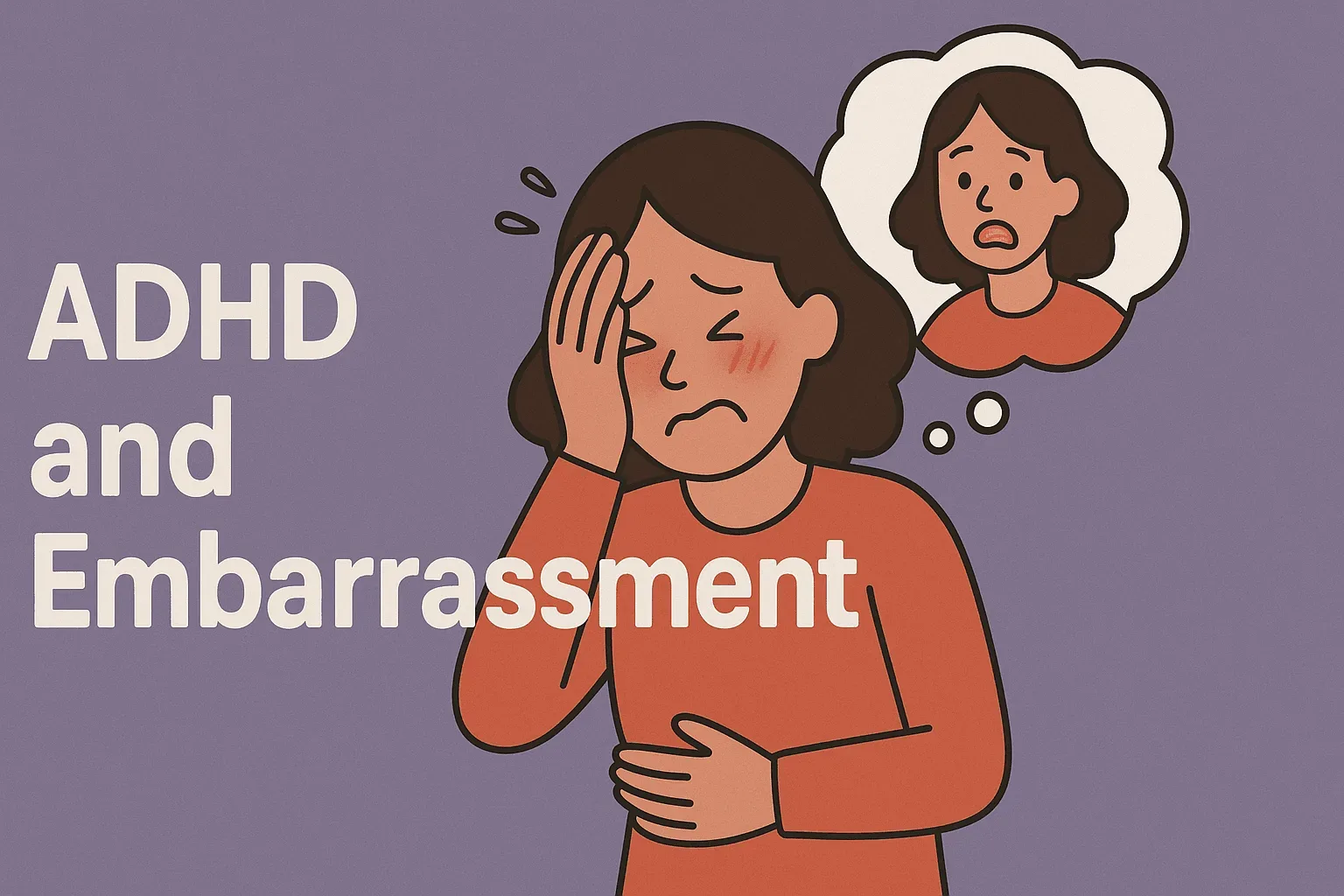
ADHD and Embarrassment: Why I Keep Bringing Up Awkward Moments
Living with ADHD means I often replay awkward moments, joke about myself, and bring them up again.
Mental Health
ADHD and Over-Apologizing. Why We Say "Sorry" So Much
Learn why over-apologizing is common in ADHD, how rejection sensitivity plays a role, and how to reclaim your voice without guilt.